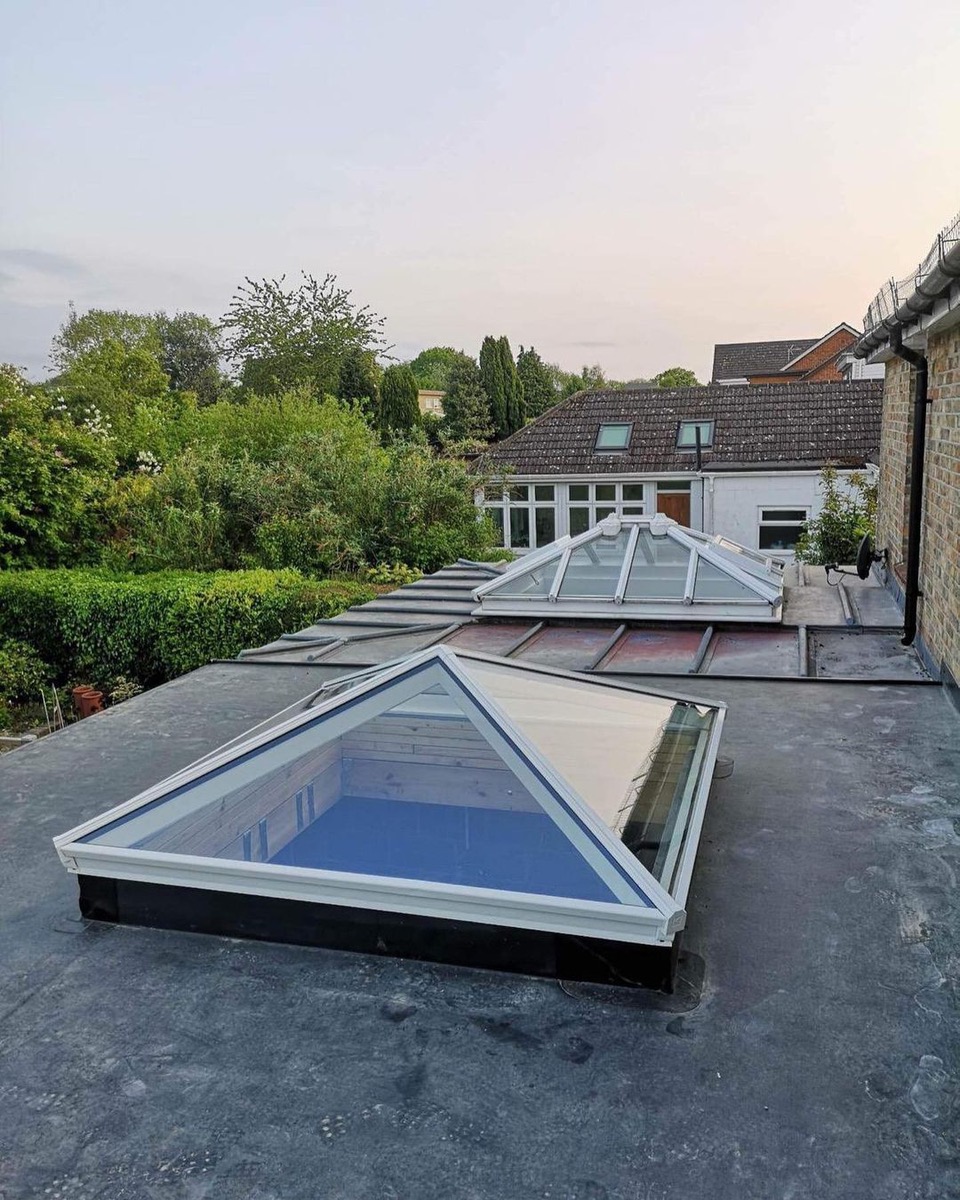
Roof Lantern Sizes Guide: How to Choose the Right Dimensions for Your Home
Choosing the right roof lantern size can make an enormous difference to your home.
Too small, and your new lantern might not deliver the amount of natural light you were hoping for. Too large, and it could dominate the room, introduce unwanted summer heat or create unnecessary building costs.
But how big should a roof lantern actually be?
If you’re planning a kitchen extension, renovating an orangery or adding natural light to an existing room, you’ll probably have questions about dimensions, measurements and the sizes available from different manufacturers.
At GFD Homes, we help homeowners explore roof lanterns from established manufacturers, including Atlas and Korniche.
In this guide, we’ll explain common roof lantern sizes, how to choose the right dimensions, what you need to measure and how to avoid expensive mistakes before ordering.
What Sizes Do Roof Lanterns Come In?
Roof lanterns are available in a wide range of dimensions, from compact designs suitable for smaller rooms to large glazed structures intended for spacious extensions.
Some manufacturers offer standard configurations, while others provide made-to-measure options within their permitted manufacturing limits.
Common dimensions you may encounter include:
| Roof lantern dimensions | Approximate size in metres | Potential application |
|---|---|---|
| 1000 × 1000mm | 1 × 1m | Compact rooms or smaller roof openings |
| 1000 × 1500mm | 1 × 1.5m | Small kitchens and dining areas |
| 1000 × 2000mm | 1 × 2m | Kitchen extensions and narrow spaces |
| 1500 × 2000mm | 1.5 × 2m | Medium-sized extensions |
| 1500 × 2500mm | 1.5 × 2.5m | Larger kitchens and dining rooms |
| 2000 × 3000mm | 2 × 3m | Spacious open-plan areas |
| 2000 × 4000mm | 2 × 4m | Large extensions, subject to product and structural suitability |
These are illustrative dimensions, not a guarantee that every size is available from every manufacturer. The permitted dimensions depend on the chosen roof lantern system.
The most important consideration isn’t whether a particular size is popular.
It’s whether that size works for your roof, your room and the effect you’re trying to achieve.
Which Size Roof Lantern Do I Need?
There isn’t a universal formula for calculating the perfect roof lantern size.
Instead, the best choice comes from considering several factors together.
1. The Size and Shape of Your Room
Start by looking at the room beneath the proposed lantern.
A small kitchen may benefit from a compact square or rectangular design, while a large kitchen-diner might accommodate a longer roof lantern.
However, bigger doesn’t automatically mean better.
Think about the proportions of the space.
A lantern should complement the room rather than overwhelm it.
For example, a rectangular lantern positioned above a kitchen island can create an attractive feature without necessarily extending across the entire roof.
Similarly, a square lantern above a dining table can introduce daylight into a particular area while maintaining a balanced appearance.
2. How Much Natural Light You Want
One of the main reasons homeowners choose roof lanterns is to introduce daylight from above.
This can be particularly beneficial in extensions where natural light struggles to reach the back of the room.
However, the amount of daylight entering your home depends on more than the lantern’s dimensions.
Important factors include:
- The room’s orientation.
- The position of the roof lantern.
- The amount of surrounding shading.
- The glazing specification.
- The room’s existing windows and doors.
- The height and shape of the ceiling.
A carefully positioned smaller lantern may be more useful than a larger one installed in the wrong location.
3. Your Roof Structure
The roof itself will influence which dimensions are practical.
Creating an opening for a roof lantern affects the surrounding structure, so the design needs to account for the loads and support requirements.
If you’re building a new extension, your designer or structural engineer can incorporate the lantern into the roof design.
If you’re adding one to an existing roof, additional assessment and structural alterations may be necessary.
Never assume that an existing roof can accommodate a large opening simply because there’s enough visible space.
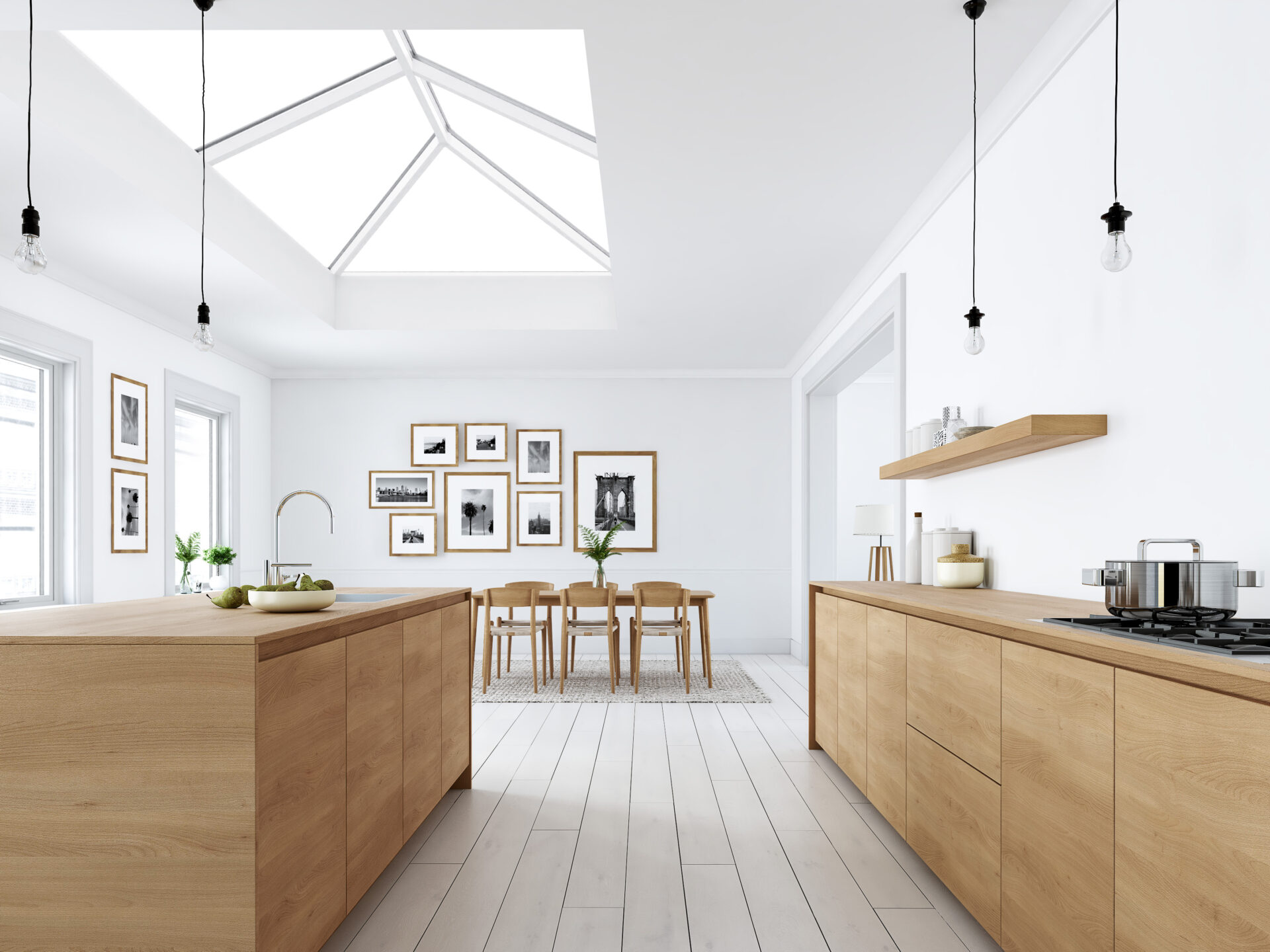
4. Thermal Performance and Summer Comfort
A larger roof lantern generally introduces more glazing.
That can increase daylight, but it also changes how heat enters and leaves the room.
For example, a large lantern above a south-facing kitchen may require careful consideration of solar-control glazing.
Likewise, the complete lantern’s thermal performance matters during colder weather.
When deciding on size, consider the room’s orientation and glazing specification together.
A well-designed lantern should improve your living space without creating avoidable comfort problems.
5. The Appearance You’re Trying to Achieve
Some homeowners want their roof lantern to be a striking architectural feature.
Others prefer a more understated appearance.
A long rectangular lantern can complement a contemporary kitchen extension, particularly where it follows the lines of a kitchen island.
A square or pyramid design may work better in a room where symmetry is important.
The shape and frame design can have as much visual impact as the overall dimensions.
If you’re still deciding which style to choose, read our complete guide to the different types of roof lanterns.
Is There an Ideal Roof Lantern Size for a Kitchen Extension?
Kitchen extensions are among the most popular locations for roof lanterns.
But the ideal dimensions depend on how the space will be used.
Small Kitchen Extensions
In a compact kitchen extension, a smaller roof lantern can introduce natural light without dominating the ceiling.
A square or relatively narrow rectangular design may be appropriate.
Think carefully about positioning.
A lantern above the main working area can provide useful daylight, while one positioned centrally may help distribute light more evenly.
Medium-Sized Kitchen-Diners
For a kitchen-diner, a rectangular lantern can be particularly effective.
It may be positioned above a kitchen island, dining table or central circulation area.
The goal is to introduce daylight where it’s most useful while maintaining comfortable proportions.
Large Open-Plan Extensions
Larger extensions may accommodate longer or wider roof lanterns.
However, a single oversized lantern isn’t always the best solution.
Depending on the roof structure and room layout, two smaller lanterns may provide a more balanced appearance and better distribution of daylight.
Your designer or installer can help assess the available options.
Atlas Roof Lantern Sizes
Atlas roof lanterns are popular with homeowners looking for contemporary styling and relatively slim framing.
The available dimensions depend on the particular Atlas system and configuration.
When choosing an Atlas roof lantern, consider the following:
Width: How much of the roof opening should the lantern occupy?
Length: Would a square or rectangular configuration work better?
Frame design: How will the visible framing affect the appearance?
Glazing: Which specification is appropriate for the room?
Installation requirements: What dimensions and upstand details does the selected system require?
Atlas roof lanterns may be available in a variety of standard and made-to-measure configurations, subject to the manufacturer’s limits.
Rather than assuming a particular size is available, check the current product options before finalising your roof design.
Explore the Atlas roof lantern range at GFD Homes.
Korniche Roof Lantern Sizes
Korniche aluminium roof lanterns are another popular choice for homeowners planning extensions and glazed living spaces.
Their design combines aluminium framing with a distinctive glazed roof structure.
As with Atlas, the available dimensions depend on the specific product and configuration.
When comparing Korniche roof lantern sizes, consider:
- The dimensions of the roof opening.
- The required upstand.
- The permitted manufacturing sizes.
- The glazing configuration.
- The frame colour.
- The room’s proportions.
- Any structural limitations.
A larger Korniche lantern can create an impressive feature in an open-plan extension, while a smaller design may suit a compact kitchen or dining space.
The important point is to confirm the exact dimensions before construction or ordering.
Explore the Korniche roof lantern range at GFD Homes.
How Do You Measure for a Roof Lantern?
Measuring correctly is one of the most important parts of buying a roof lantern.
An incorrect measurement can cause significant installation problems, particularly with products manufactured to your chosen dimensions.
The first thing to understand is that different manufacturers may use different measurement conventions.
For example, a product may be specified using the external dimensions of the supporting upstand rather than the internal roof opening.
This distinction matters.
Step 1: Identify the Manufacturer’s Measurement Requirements
Before taking measurements, confirm exactly what dimensions the manufacturer or supplier requires.
Don’t assume that the measurement method used for one roof lantern will apply to another.
Step 2: Confirm the Roof Opening
The roof opening must be suitable for the chosen lantern and its supporting structure.
For a new extension, your builder should work from the relevant manufacturer’s installation details.
For an existing roof, a professional assessment may be required before the opening is created.
Step 3: Check the Upstand Dimensions
A roof lantern is generally installed onto a supporting upstand.
The upstand forms part of the installation and helps provide the required connection between the lantern and the roof.
Its construction, dimensions and height must comply with the requirements of the selected system and the wider roof design.
Step 4: Measure Width and Length
Take the required measurements carefully, following the manufacturer’s specified reference points.
For rectangular installations, make sure the dimensions are recorded in the correct orientation.
Step 5: Check the Opening Is Square
It’s important to check that the supporting structure is correctly formed.
Measurements across diagonals can help identify whether a rectangular opening or upstand is square.
Any discrepancies should be addressed before ordering.
Step 6: Confirm Everything With Your Installer
Before placing an order, ask your installer to verify the final measurements.
This is particularly important for made-to-measure products.
Our recommendation: Never order a roof lantern based solely on approximate dimensions taken from an early building plan. Confirm the final specification and measurement requirements first.
Roof Opening Size vs Roof Lantern Size: What’s the Difference?
This is a common source of confusion.
The roof opening is the space formed within the roof structure.
The upstand is the raised supporting structure around that opening.
The roof lantern sits on the supporting structure in accordance with the manufacturer’s installation instructions.
These measurements aren’t necessarily interchangeable.
For example, if a supplier asks for the external dimensions of the upstand, providing the internal dimensions of the roof opening could result in an incorrectly sized product.
That’s why you should always check what the quoted dimensions refer to.
Can You Order a Bespoke Roof Lantern Size?
Many roof lantern manufacturers offer made-to-measure options within their product limitations.
This can be useful if you’re planning an extension with particular dimensions or replacing an existing glazed roof structure.
However, bespoke doesn’t mean that any imaginable size or shape is possible.
Manufacturers have limits relating to glazing, structural design, frame systems and available configurations.
Large lanterns may require different glazing arrangements or additional structural considerations.
If you’re planning an unusual opening, establish what’s available before finalising the building design.
Does a Larger Roof Lantern Cost More?
Generally, increasing the dimensions of a roof lantern increases the amount of glazing and framing required.
As a result, larger versions of the same product will often cost more.
However, the final price also depends on the manufacturer, frame design, glazing specification and chosen options.
For example, a smaller lantern with specialist glazing may cost more than a larger lantern with a different specification.
It’s also important to consider installation costs.
A larger roof opening may require additional structural work, which can affect the total project budget.
For more information, read our guide to roof lantern prices and installation costs.
Should You Choose One Large Roof Lantern or Two Smaller Ones?
This is worth considering when planning a large extension.
A single roof lantern can create a strong central feature.
It may also complement a long kitchen island or dining table.
Two smaller lanterns, however, can sometimes provide better daylight distribution across a large room.
They may also help divide the space visually into separate areas.
For example, one lantern could sit above the kitchen while another illuminates the dining area.
The right choice depends on the room layout, roof structure, appearance and budget.
It’s worth exploring both arrangements before construction begins.
Common Roof Lantern Sizing Mistakes
Choosing the Largest Size Available
A bigger lantern isn’t automatically better.
Consider the proportions of your room, glazing performance and installation requirements.
Measuring the Wrong Part of the Roof
The internal opening, external upstand and finished lantern dimensions may all differ.
Always follow the manufacturer’s measurement instructions.
Ordering Before the Roof Design Is Confirmed
Structural requirements can affect the dimensions that are practical.
Confirm the design before committing to a made-to-measure product.
Ignoring Summer Heat
More glazing can mean more solar gain.
Consider orientation and glazing specification when choosing the size.
Forgetting About Maintenance
Think about how the lantern will be accessed and cleaned.
Large roof lanterns can be difficult to reach without suitable equipment.
Comparing Different Manufacturers Using Dimensions Alone
Two lanterns with identical quoted dimensions may have different frame profiles, glazing areas and installation requirements.
Compare the complete products rather than just their nominal sizes.
Frequently Asked Questions About Roof Lantern Sizes
What Is the Most Popular Roof Lantern Size?
There isn’t one universal size that suits every home.
Rectangular lanterns are common in kitchen extensions, while square designs can work well in smaller or more symmetrical spaces.
The best dimensions depend on the room and roof structure.
How Big Should a Roof Lantern Be?
A roof lantern should be proportionate to the room and provide useful natural daylight.
There isn’t a fixed percentage of roof area that is appropriate for every property.
The ideal size depends on the room’s dimensions, orientation, glazing specification and roof design.
What Is the Smallest Roof Lantern You Can Buy?
Minimum dimensions vary by manufacturer and product.
Compact roof lanterns are available, but you should check the permitted sizes for the exact system you’re considering.
What Is the Largest Roof Lantern You Can Buy?
Maximum dimensions depend on the manufacturer’s structural and glazing limitations.
Large configurations may be available, but the roof structure and installation requirements must also be considered.
Can You Fit a Roof Lantern to Any Flat Roof?
Not automatically.
The roof must be structurally suitable, and the installation must comply with the chosen system’s requirements.
Some roofs will require alterations before a lantern can be installed.
How Do You Measure a Korniche Roof Lantern?
Use the measurement method specified in the current Korniche installation instructions for the selected product.
Confirm whether the required dimensions refer to the external upstand, roof opening or another reference point.
Have the final measurements checked by your installer before ordering.
Are Atlas and Korniche Roof Lantern Sizes the Same?
Not necessarily.
Although some dimensions may overlap, each manufacturer has its own permitted configurations and measurement requirements.
Always check the specific product.
Can a Roof Lantern Be Too Big?
Yes.
An oversized lantern may look disproportionate, introduce excessive solar gain or require unnecessary structural work.
The best choice balances daylight, appearance, thermal performance and practicality.
Find the Right Roof Lantern Size at GFD Homes
Choosing the right roof lantern size is about much more than finding a product that fits into an opening.
It’s about creating a room that feels brighter, more comfortable and better suited to how you live.
Whether you’re planning a compact kitchen extension or a spacious open-plan living area, GFD Homes offers roof lantern options from established manufacturers, including Atlas and Korniche.
Explore the available designs, compare dimensions and find a specification that works for your project.
Ready to find your ideal roof lantern?
Browse our Atlas roof lanterns and Korniche roof lanterns, then configure your preferred product and obtain a quotation.