Last Updated on 21 October 2026 by IanR
Types of Roof Lanterns: The Complete UK Homeowner’s Buying Guide
A roof lantern can completely change how a room looks and feels. A kitchen that once needed the lights on throughout the day can become a bright, welcoming space. A flat-roof extension can feel taller, more open and better connected to the outdoors.
But if you’ve started looking at roof lanterns, you’ve probably discovered that choosing one isn’t quite as straightforward as it first appears.
Should you choose an apex or pyramid design? Is aluminium better than uPVC? What’s the difference between a roof lantern and a rooflight? And perhaps most importantly, which option will work best in your home?
At GFD Homes, we’ve spent years helping homeowners choose glazing products for their properties. We understand that a roof lantern isn’t something most people buy regularly, so it’s perfectly reasonable to have plenty of questions.
This guide explains the different types of roof lanterns, how their designs compare, what features matter and what you should consider before requesting a quote.

What Is a Roof Lantern?
A roof lantern is a raised, glazed structure installed above an opening in a roof, typically a flat or low-pitched roof.
Unlike a conventional window, a roof lantern introduces natural daylight from above. Its sloping glass panels can collect light from different directions, while the raised design creates an attractive architectural feature.
Roof lanterns are particularly popular in kitchen extensions, open-plan living spaces, dining rooms and orangeries.
They can be used in both traditional and contemporary properties, with designs ranging from classic pitched structures to sleek aluminium lanterns with slim frames.
One important distinction is that a traditional roof lantern rises above the roofline. A flat rooflight generally has a flatter profile.
Although people sometimes use the terms interchangeably, they aren’t necessarily the same product.
What Are the Different Types of Roof Lantern?
Roof lanterns can be categorised by their structure, shape, frame material and additional features.
Understanding these differences makes it easier to choose a design that suits both your property and how you intend to use the room.
1. Apex Roof Lanterns
An apex roof lantern has a pitched structure, usually with glazed panels rising towards a central ridge.
This is one of the most recognisable roof lantern designs.
Its raised profile adds a sense of height and creates a traditional glazed-roof appearance that can complement both period properties and modern extensions.
Best suited to: Kitchen extensions, dining rooms, orangeries and larger living spaces.
Why choose one?
An apex lantern offers a distinctive architectural feature, with sloping glass panels that allow daylight into the room from different directions.
It’s particularly attractive when positioned above a dining table or kitchen island.
However, the proportions matter. An oversized lantern can dominate a small extension, while a carefully sized design can make the same room feel beautifully balanced.

2. Pyramid Roof Lanterns
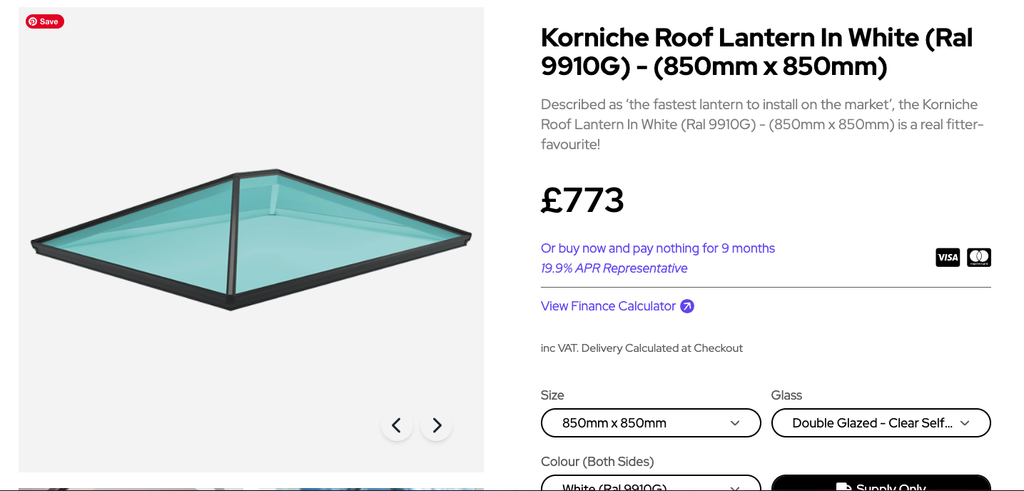
Pyramid roof lanterns typically feature four sloping glazed sections that rise towards a central point.
Their symmetrical shape makes them an attractive option for square or near-square roof openings.
They work particularly well where the lantern will form a central feature rather than run along the length of a room.
Best suited to: Square rooms, central dining areas, entrance spaces and smaller extensions.
Why choose one?
A pyramid roof lantern can create a striking focal point without requiring an elongated roof opening.
Its balanced design also suits rooms where symmetry is important.
Availability and maximum dimensions vary between manufacturers, so check that your preferred system supports the size and configuration you need.

3. Rectangular Roof Lanterns
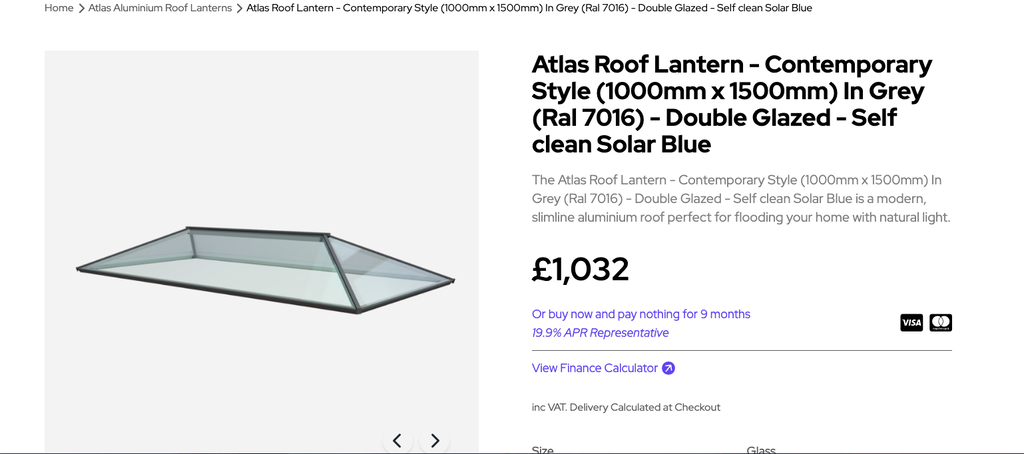
Rectangular roof lanterns are among the most practical choices for modern home extensions.
Their elongated design makes them especially suitable for kitchen-diners and open-plan spaces.
A rectangular lantern can be positioned along the main axis of a room, helping natural light reach areas that might otherwise feel dark.
Best suited to: Long kitchen extensions, open-plan living areas and dining spaces.
Why choose one?
Rectangular lanterns are versatile and can complement a wide range of room layouts.
They also offer flexibility when choosing between traditional and contemporary frame designs.
For example, a rectangular aluminium roof lantern with slim sightlines can work particularly well alongside aluminium bifold or sliding patio doors.

4. Square Roof Lanterns
Square roof lanterns offer a balanced design for more compact roof openings.
They are worth considering when you want to introduce daylight without installing a long rectangular structure.
Best suited to: Smaller kitchens, home offices, compact extensions and square rooms.
Why choose one?
A square lantern can brighten a particular area while maintaining a simple, symmetrical appearance.
It’s also useful where roof space is limited by structural features or surrounding roof details.
The right size will depend on the available opening, the room’s proportions and the manufacturer’s specifications.

5. Victorian and Traditional Roof Lanterns
Traditional roof lanterns often incorporate more decorative detailing than contemporary designs.
Depending on the system, this may include Victorian-style ends, prominent glazing bars or architectural features inspired by historic roof structures.
These designs can complement older properties and traditional orangeries.
Best suited to: Period-style homes, traditional extensions and orangeries.
Why choose one?
If your property has traditional architectural features, a decorative lantern may feel more sympathetic than a minimalist design.
However, appearance shouldn’t be your only consideration.
Glazing performance, frame construction, weather resistance and maintenance are just as important.

6. Contemporary Aluminium Roof Lanterns
Modern aluminium roof lanterns are popular with homeowners looking for a clean, understated appearance.
Aluminium’s strength allows manufacturers to produce relatively slim framing systems, although the precise sightlines depend on the product and size.
This can create an attractive balance between glazing and structure.
Best suited to: Contemporary extensions, modern kitchens and open-plan living spaces.
Why choose one?
Aluminium roof lanterns can provide a sleek appearance, durable finishes and a choice of colours.
They can also complement aluminium windows, bifold doors and sliding patio doors.
At GFD Homes, homeowners can explore options from established manufacturers, including Korniche and Atlas.
Each system has its own design, glazing and specification options, so it’s worth comparing the actual products rather than assuming all aluminium roof lanterns perform identically.
Roof Lantern vs Rooflight: What’s the Difference?
This is one of the most common questions homeowners ask.
Both products introduce natural daylight through a roof, but their appearance and construction differ.
A roof lantern typically has a raised, pitched structure with several glazed panels.
A flat rooflight generally sits closer to the roof surface, providing a more understated appearance.
| Feature | Roof Lantern | Flat Rooflight |
|---|---|---|
| Appearance | Raised architectural feature | Flatter, minimalist profile |
| Glazing | Usually multiple angled panes | Often a flatter glazed panel |
| Visual impact | Prominent feature | More discreet |
| Typical setting | Extensions and orangeries | Contemporary flat-roof spaces |
| Design options | Apex, pyramid and other configurations | Fixed and opening designs |
| Installation | Requires a suitable opening and upstand | Requires a suitable opening and installation detail |
Neither is automatically better.
A roof lantern might be ideal if you want the glazing itself to become a feature.
A flat rooflight could be preferable if you’re looking for a simpler, less prominent design.
The right choice depends on your roof, the room below and the appearance you’re trying to achieve.
Aluminium vs uPVC Roof Lanterns
Once you’ve chosen a shape, the next decision is often the frame material.
Aluminium Roof Lanterns
Aluminium is a popular choice for contemporary roof lanterns because it combines strength with relatively slim framing.
Modern systems can also incorporate thermal breaks to reduce heat transfer through the frame.
Advantages can include:
- Slim, contemporary frame designs.
- Durable powder-coated finishes.
- A choice of colours.
- Suitability for a range of roof lantern configurations.
- An appearance that complements aluminium doors and windows.
The main consideration is price. Aluminium systems may cost more than some uPVC alternatives.
uPVC Roof Lanterns
uPVC roof lanterns can provide an alternative for homeowners working within a tighter budget.
Depending on the manufacturer, they may have thicker visible framing than aluminium systems.
Advantages can include:
- Competitive pricing.
- Low routine maintenance.
- A choice of styles and finishes.
- Suitable thermal performance when correctly specified.
When comparing materials, don’t judge the lantern by its frame alone.
The complete system matters, including glazing, seals, thermal performance, structural design and installation quality.
Do Roof Lanterns Make Rooms Hot in Summer?
A roof lantern introduces additional glazing into your roof, so solar gain is an important consideration.
On sunny days, heat can enter through the glass. The amount depends on several factors, including the glazing specification, lantern size, orientation and surrounding shading.
For example, a large lantern above a south-facing kitchen may need a different glazing specification from a smaller lantern in a more shaded position.
Solar-control glazing can help reduce the amount of solar energy entering the room.
However, it doesn’t eliminate heat gain entirely.
If overheating is a concern, discuss glazing options before ordering rather than assuming standard glazing will suit every installation.
Blinds, shading and suitable ventilation may also be worth considering.

Do Roof Lanterns Make Rooms Cold in Winter?
A properly specified roof lantern can provide good thermal performance, but it will not necessarily insulate as well as a highly insulated solid roof.
Heat loss depends on the complete roof lantern system, including its glazing, frame and installation.
When comparing products, look at the declared thermal performance rather than relying on descriptions such as ‘energy efficient’.
A lower U-value indicates less heat transfer under standard test conditions.
It’s also important to distinguish between the performance of the glazing unit and the performance of the complete installed product.
Your installer or building professional should confirm which requirements apply to your project.
Are Roof Lanterns Noisy When It Rains?
You’ll hear rain differently through glazing than through an insulated roof.
For some homeowners, the sound is barely noticeable. Others find it more apparent during heavy rainfall.
The level of noise depends on the glazing construction, roof lantern design and intensity of the rain.
If your lantern will sit above a quiet home office or bedroom, ask the supplier about available acoustic performance information.
Avoid assuming that every double-glazed roof lantern will sound the same.
Do Roof Lanterns Leak?
A correctly designed and installed roof lantern should be weather-resistant.
However, as with other roof glazing, performance depends on the complete installation.
Potential problems can arise from poorly constructed upstands, inadequate weatherproofing, incorrect installation or deteriorating seals.
The roof covering and its connection to the lantern are just as important as the lantern itself.
This is why professional installation and following the manufacturer’s instructions matter.
If you’re planning a roof lantern as part of an extension, make sure your builder understands the chosen system’s installation requirements before construction begins.

Can Roof Lanterns Open?
Some roof lantern systems offer opening sections for ventilation.
These may be manually operated or motorised, depending on the manufacturer and configuration.
Opening sections can be particularly useful in kitchens and other rooms where warm air or moisture can build up.
However, not every roof lantern is available with an opening option.
Check the exact model, size and configuration before assuming ventilation can be added.
For hard-to-reach installations, a motorised opening mechanism may be worth considering.
What Size Roof Lantern Do You Need?
There isn’t one ideal roof lantern size for every home.
The right dimensions depend on the room, the roof structure and the effect you want to achieve.
Consider:
Room size: A small lantern may be sufficient for a compact kitchen, while a larger extension may benefit from a longer glazed opening.
Position: Think about where daylight is most useful. A lantern above a kitchen island may serve a different purpose from one positioned over a dining area.
Roof structure: The available opening and structural support will influence the size that can be installed.
Appearance: The lantern should complement the proportions of the room and the external roof.
Manufacturer limitations: Every system has its own permitted sizes and configurations.
Before ordering, confirm the dimensions with your installer and check how the manufacturer measures the lantern and its supporting upstand.
For more detailed advice, read our roof lantern sizes guide.
How Much Do Roof Lanterns Cost?
Roof lantern prices vary considerably.
A small, straightforward system will usually cost less than a large, bespoke aluminium lantern with upgraded glazing and opening sections.
The main factors affecting price include:
- Overall dimensions.
- Frame material.
- Manufacturer and product range.
- Glazing specification.
- Colour and finish.
- Opening or ventilation options.
- Delivery and installation requirements.
It’s important to distinguish between the cost of the roof lantern itself and the total installed cost.
Installation may involve forming or preparing the roof opening, constructing the upstand, structural work, weatherproofing and making good.
A supply-only quote will not necessarily include these elements.
Rather than relying on a generic price estimate, the best approach is to configure the product you want and obtain an accurate quotation.
Our roof lantern cost guide explains the factors affecting pricing in more detail.
Do You Need Planning Permission for a Roof Lantern?
Not every roof lantern installation requires a separate planning application.
Some projects may fall within permitted development rights, depending on the property, the design and the work being undertaken.
However, the rules vary according to the circumstances, and restrictions may apply to listed buildings, designated areas and properties with limited permitted development rights.
Building Regulations are a separate consideration.
Structural safety, glazing, thermal performance and other relevant requirements may apply even where planning permission isn’t needed.
If you’re uncertain, check with your local planning authority and a suitably qualified building professional before ordering.
Choosing Between Korniche Roof Lanterns and Atlas Roof Lanterns
At GFD Homes, we offer roof lantern options from Korniche and Atlas.
Both are established names in roof glazing, but they shouldn’t be treated as interchangeable.
When comparing them, consider the precise product specifications.
Look at:
Appearance: Which frame profile and design best suits your extension?
Available sizes: Can the system accommodate your required dimensions?
Glazing options: Which glazing specifications are available for your room’s orientation and intended use?
Colours: Does the finish complement your existing windows and doors?
Ventilation: Are opening sections available in your chosen configuration?
Installation: What upstand dimensions and installation requirements apply?
Price: How do the complete quotations compare for equivalent specifications?
The best choice isn’t necessarily the most expensive.
It’s the product that delivers the appearance and performance you need at a price you’re comfortable paying.
Explore the Korniche roof lantern range and Atlas roof lantern options at GFD Homes.
Which Type of Roof Lantern Is Best for Your Home?
If you’re still undecided, start with the room rather than the product.
For a contemporary kitchen extension, a rectangular aluminium lantern may provide the clean lines and generous glazing you’re looking for.
For a traditional orangery, a more decorative pitched design could be a better visual match.
For a smaller, square room, a pyramid or square lantern may create an attractive central feature.
And if you want natural light without a prominent raised structure, a flat rooflight may be worth considering instead.
There isn’t a universal winner.
The right roof lantern is the one that suits your home, your budget and how you want the finished space to feel.
Frequently Asked Questions About Roof Lanterns
Are roof lanterns a good idea?
They can be an excellent way to introduce natural light and create an architectural feature, particularly in flat-roof extensions. However, glazing performance, room orientation, installation and budget should all be considered.
Do roof lanterns add value to a house?
A well-designed roof lantern may improve a property’s appeal by creating a brighter and more attractive living space. However, there’s no guarantee that the cost of installation will be reflected directly in the property’s market value.
Are roof lanterns suitable for flat roofs?
Yes. Roof lanterns are commonly installed on flat and low-pitched roofs, provided the structure, upstand and weatherproofing are suitable for the selected system.
Can you install a roof lantern in an existing roof?
Potentially, yes. However, the roof structure will need assessing, and additional work may be required to create and support the opening.
Are roof lanterns difficult to clean?
Cleaning requirements depend on the design, glazing and accessibility. Some systems offer specialist glass coatings that can help reduce dirt accumulation, but these do not eliminate the need for maintenance.
Can you fit blinds to a roof lantern?
Blinds may be available for certain roof lantern designs. Compatibility depends on the dimensions, shape and chosen blind system, so it’s worth checking before purchasing.
How long does a roof lantern last?
Service life depends on the product, materials, exposure, installation and maintenance. Check the manufacturer’s warranty and maintenance guidance rather than assuming every system has the same lifespan.
Are roof lanterns better than skylights?
Neither is automatically better. Roof lanterns provide a raised architectural feature, while flatter rooflights may suit homeowners looking for a more discreet design.
Find the Right Roof Lantern at GFD Homes
Choosing a roof lantern is about more than picking a shape from a brochure.
It’s about creating a room that feels brighter, more comfortable and more enjoyable to spend time in.
Whether you’re planning a new kitchen extension, renovating an orangery or looking to introduce more natural light into your home, GFD Homes can help you explore the available options.
With roof lantern ranges from Korniche and Atlas, you can compare designs, sizes and specifications to find a product that works for your project.
Ready to see what’s possible?
Explore the roof lantern range at GFD Homes, configure your preferred design and get a quote for your home.