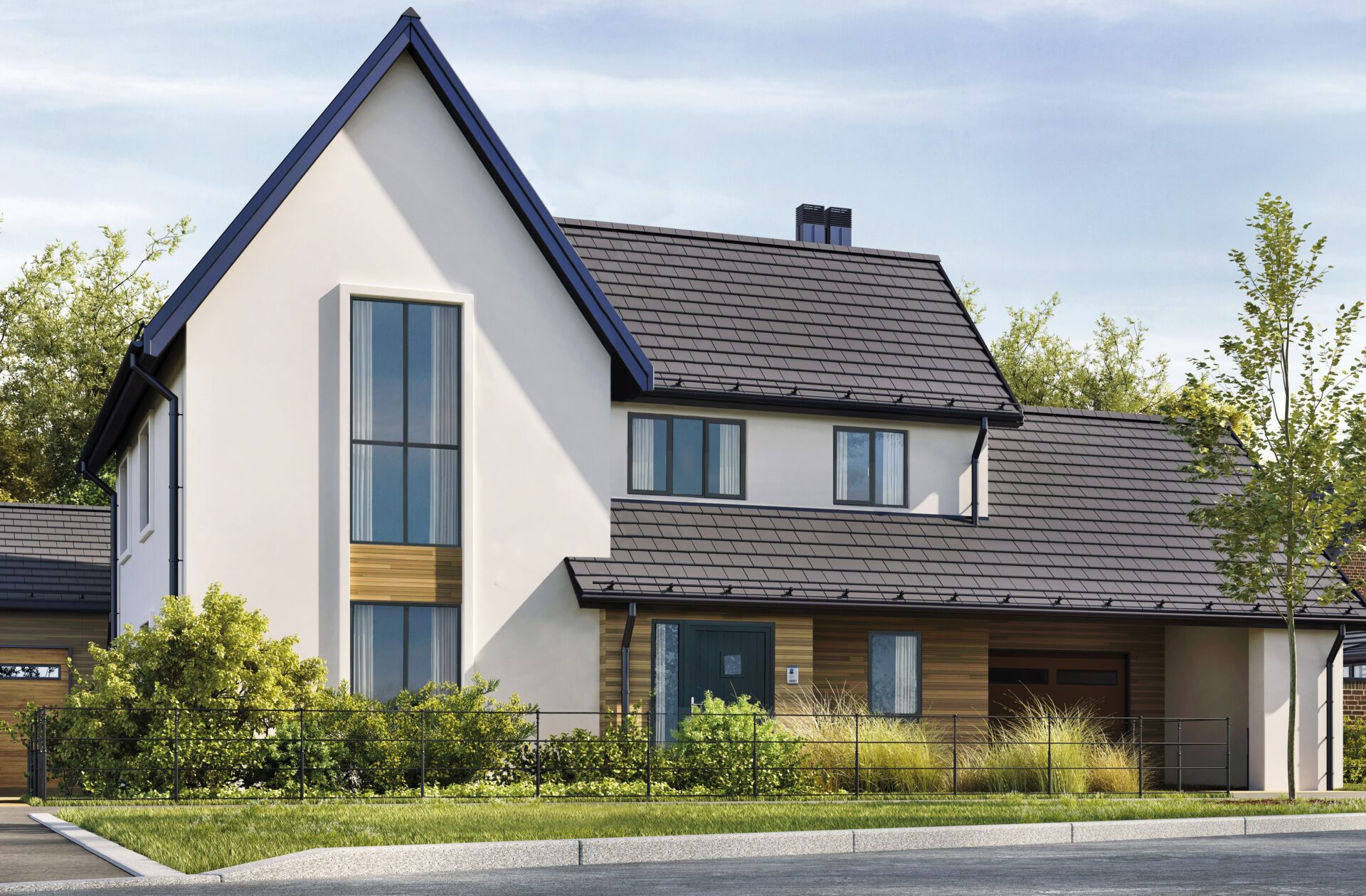
Upgrade your home with modern windows & doors and energy-efficient glazing. Cut heat loss, boost comfort, and future-proof your space with GFD Homes.
What You’ll Learn:
- How energy-efficient glazing reduces heat loss
- What makes a modern window truly energy-efficient
- Why upgrading doors boosts comfort, insulation, and security
- How GFD Homes helps you future-proof your home
(Estimated Reading Time: 5-6 Minutes)
Introduction: The New Reality of Home Energy
If you want a smarter, warmer, more future-ready home in 2026, high-efficiency windows and doors upgrades are the place to start. Energy costs, comfort levels, and sustainability expectations are all heading in one direction — up — and homeowners are finally responding with performance-led improvements that make a real difference.
At GFD Homes, we’re seeing record demand for modern glazing systems that keep the heat in, keep the noise out, and turn older houses into genuinely energy-efficient homes. High-efficiency windows and doors aren’t just a nice upgrade anymore — they’re one of the most practical, value-adding improvements a homeowner can make.
Here’s how they work, why they matter, and how to choose the right systems for long-term performance.
1. Why Energy-Efficient Glazing Has Moved From ‘Nice to Have’ to Essential
Let’s tell it straight: the UK’s housing stock is old.
Very old.
Millions of homes leak heat because of:
- Poorly insulated walls
- Ageing windows
- Outdated doors
- Air gaps
- Inefficient glazing
- Bad installation from decades past
Energy-efficient windows and doors instantly tackle one of the biggest contributors to heat loss: openings.
The numbers are clear
Doors and windows account for up to 40% of a home’s total heat loss. With modern living costs, that’s no longer something homeowners can ignore.
And as Decorilla highlights, homeowners are now choosing improvements that deliver tangible value — not just cosmetic upgrades.
Upgrading glazing is one of the fastest, most effective ways to cut bills, improve comfort, and boost EPC ratings.
2. Understanding the Technology Behind Energy-Efficient Windows
Today’s high-performance windows aren’t just “better sealed versions” of old designs — they’re highly engineered systems built for thermal optimisation.
Here’s what actually makes a window energy efficient:
Low U-values
The U-value measures how much heat a window loses.
Lower = better.
Modern high-performance windows achieve U-values as low as 0.8 W/m²K with triple glazing, and around 1.2–1.4 W/m²K with advanced double glazing.
Thermally broken frames
Aluminium frames used to get a bad reputation for feeling cold.
Not anymore.
Modern aluminium windows feature a thermal break — a hidden insulating barrier that stops heat transferring through the metal. This transforms performance.
Low-E glass
Low-emissivity coatings reflect heat back into the room, reducing energy loss without affecting clarity.
Argon or krypton gas filling
These gases between the glazing layers slow heat movement, improving insulation.
Warm-edge spacer bars
Unlike old metal spacers, warm-edge spacers reduce condensation and heat loss around the perimeter of the glazing unit.
Precision installation
Even the best window on earth won’t perform if installed poorly.
Air gaps around frames create drafts and negate performance.
GFD Homes ensures all systems are installed to manufacturer specifications for airtightness and thermal performance.
3. Why Energy-Efficient Doors Matter Just as Much
Doors were once the weak point of the building envelope. In 2026, they’re one of the strongest.
Modern high-performance doors use:
- Dense insulated cores
- Multi-layer composite skins
- Thermally broken aluminium frames
- Weather sealing
- Triple glazing in panels
- Robust multi-point locking
This combination means a high-quality front door can rival a window for thermal performance — a huge shift from older timber doors that leak heat like a sieve.
At GFD Homes, our composite and aluminium doors can achieve outstanding U-values while still delivering strength, style and security.
4. Energy-Efficient Glazing and Comfort: The Hidden Benefits
Homeowners often think “energy efficiency = lower bills”, and that’s true.
But the benefits run deeper.
Upgrading your windows and doors improves:
1. Temperature stability
Rooms stay warmer in winter and cooler in summer.
2. Reduced condensation
Better insulated glass reduces internal moisture build-up, protecting frames and walls.
3. Noise reduction
Thicker glass + insulating gas layers = quieter rooms.
4. Comfort in north- and south-facing spaces
Solar control glazing prevents overheating in sunny rooms, while low-E coatings keep heat in north-facing spaces.
5. Better air quality
Modern seals prevent pollutants and drafts entering the home.
This is why modern glazing is often described as “the silent luxury”. It transforms the feel of the home in ways people don’t expect — until they experience it.
5. How 2026 Homeowners Are Planning Smarter Upgrades
Investing in performance glazing is now seen as a strategic upgrade — not an optional one.
Value-focused renovations
Homeowners want improvements that:
- Reduce bills
- Increase EPC ratings
- Boost resale value
- Improve comfort
- Require little maintenance
- Look stunning
High-performing windows and doors tick every box.
Future-proofing for regulations
As building standards tighten, buying older, inefficient systems is risky.
Homeowners are choosing systems that:
- Meet upcoming regulatory changes
- Improve home sustainability
- Deliver long lifespan and low maintenance
- Avoid the need for re-replacement before 2030
This aligns perfectly with the trend highlighted by Decorilla: people are making upgrades that “add value” — both financially and practically.
6. What to Look for When Choosing Energy-Efficient Windows & Doors
Here’s a straightforward checklist every homeowner should use.
a) U-values
Lower is better. Choose:
- ≤ 1.4 W/m²K for double glazing
- ≤ 1.0 W/m²K for triple glazing
b) Frame material
Aluminium
Strong, modern, thermally broken, long lifespan.
Composite
Superb insulation, secure, traditional look.
uPVC
Cost-effective option with decent performance.
c) Low-E coating
A must for energy efficiency.
d) Gas-filled units
Argon or krypton gas for better insulation.
e) Warm-edge spacers
Reduces condensation and heat loss.
f) Installation quality
The most overlooked factor — but often the most important.
g) Colour and finish longevity
Durability matters. Aluminium offers unmatched lifecycle performance.
GFD Homes helps homeowners compare options clearly so they can choose systems that balance style, budget and long-term performance.
7. Why Aluminium Is the Star Material of 2026
Aluminium’s surge in popularity isn’t a trend — it’s a long-term shift.
Homeowners love it because:
- It’s stronger than uPVC
- It supports large glass areas
- Slim frames maximise light
- It’s thermally efficient with a thermal break
- It offers up to 150+ RAL colours
- It lasts decades
- It won’t warp or rot
- It suits both modern and traditional homes
For 2026 and beyond, aluminium is the go-to for anyone wanting quality glazing that will look good and perform well for many years.
GFD’s aluminium windows, sliding doors, and bifold doors all use advanced thermal technology that keeps performance high even in large glazed installations.
8. Matching Performance with Style
The beauty of modern high-performance windows and doors is that homeowners don’t have to choose between aesthetics and efficiency.
Colour trends for 2026
- Textured black
- Bronze and warm metallics
- Charcoal greys
- Soft sage
- Deep blues
- Earthy neutrals
- Clean contemporary white
These colour palettes allow homeowners to match:
- Windows
- Front doors
- Patio doors
- Roof lanterns
- Extension frames
…and create one unified design.
The importance of slim sightlines
Slimmer frames = more natural light.
But good engineering is key — cheap slim frames are structurally weak.
GFD Homes only supplies aluminium systems with the strength, rigidity and certified engineering to support large panes confidently.
9. Upgrading Old Windows & Doors: How to Know It’s Time
Here are the signs homeowners should look out for:
- Drafts around frames
- Condensation between glazing layers
- Cold spots in rooms
- Rattling during wind
- Rotting or warped frames
- Discoloured PVC
- Inefficient glazing (pre-2005 double glazing)
- Increased energy bills
- Noise from outside
- Feeling that the home never stays warm
If two or more of these are present, new windows and doors can deliver an instant, measurable improvement.
10. The GFD Homes Approach to Energy-Efficient Glazing Upgrades
We don’t just sell windows and doors.
We help homeowners create warmer, quieter, more efficient homes.
Our approach:
1. Product selection tailored to the home
We match glazing type, frame material and performance to:
- Home orientation
- Architectural style
- Energy targets
- Budget
- Longevity expectations
2. Only high-performance, modern systems
No outdated stock.
No old-generation frames.
No poor-performing glass.
3. Advanced thermal technology
All windows and doors meet or exceed modern energy requirements.
4. Professional installation
Poor installation kills performance — we ensure airtight installation and correct sealing.
5. A cohesive system
Windows + doors + roof lanterns + patio doors = matched to perfection.
6. Long-term value
Every upgrade is designed to add comfort, efficiency and value long into the future.
Conclusion: 2026 Is the Year to Upgrade — and Future-Proof Your Home
The energy conversation isn’t going away.
Bills won’t magically return to old levels.
Buyers expect better performance.
Regulations are tightening.
And homeowners are choosing upgrades that make their homes more efficient, more comfortable and more valuable.
Decorilla was right: high-efficiency windows are one of the smartest improvements you can make. In 2026, they’re not just an upgrade — they’re an investment in the future of your home.
GFD Homes is here to guide homeowners through the process with glazing that delivers performance, style and long-term value.
When you’re ready to make your home warmer, smarter and truly future-proof, we’re here to help.
🛒 Browse the full collection at www.gfdhomes.co.uk
📞 Or call 01642 309576 for expert guidance and a no-pressure quote.
In a rush? Why not contact us via Whatsapp
Browse Our Article
- What Are Energy Ratings and How Are They Calculated?
- Front Door: Keep Your Home Warm and Energy Bills Low
- Energy Ratings Explained: What UK Homeowners Need to Know
- Looking for Trade Products? Explore The Trade Village
FAQ’s
1. What makes a window or door “high-efficiency”?
High-efficiency window and door systems use low-E glass, insulated frames, gas-filled glazing, warm-edge spacers, and airtight seals to minimise heat loss. Every system from GFD Homes is engineered to meet or exceed modern energy standards.
2. Are high-efficiency windows worth the investment?
Yes — they reduce heating bills, improve comfort, raise EPC ratings and add resale value. Many homeowners see improvements immediately after upgrading through GFD Homes.
3. How do I know if my current windows or doors need replacing?
Drafts, cold spots, condensation between panes, discolouration, rattling, or a home that never feels warm are common signs. GFD Homes can advise whether repair or replacement is the better option.
4. What’s the difference between double and triple glazing?
Triple glazing offers lower U-values, better insulation, and improved noise reduction. Double glazing remains highly efficient when paired with modern low-E coatings. GFD Homes provides both options.
5. Do high-efficiency doors really improve thermal performance?
Absolutely. Modern composite and aluminium doors from GFD Homes use insulated cores, thermal breaks, and multi-layer seals to reduce heat loss just as effectively as high-spec windows.