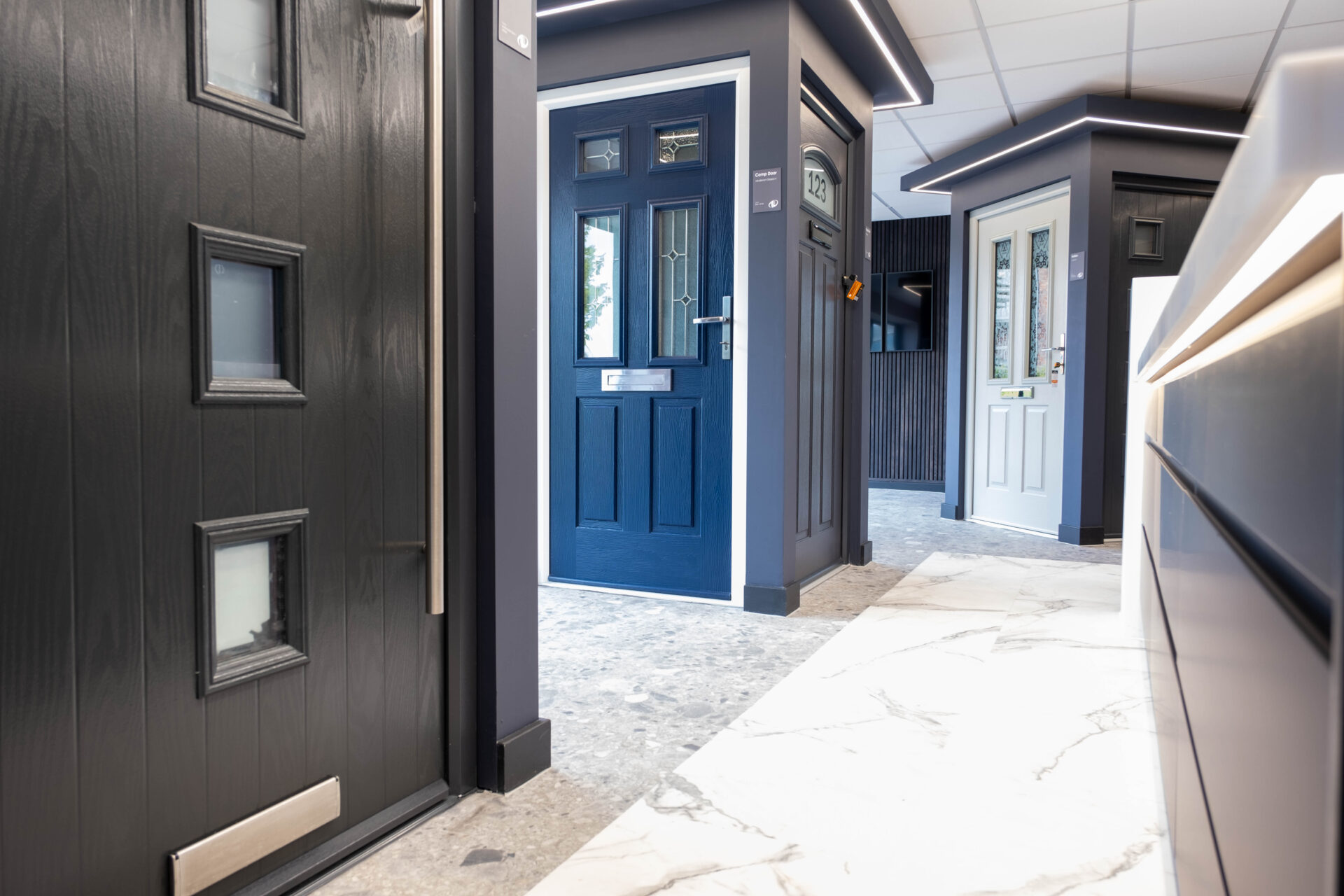
Composite doors made simple by GFD Homes: how they work, key features, and choosing a secure, energy-efficient front door.
What You’ll Learn:
- How Composite Doors Are Built and Why It Matters
- The Meaning Behind Common Door Jargon
- What to Consider Before You Place an Order
- Why Ordering Direct Protects Your Investment
(Estimated Reading Time: 5-6 Minutes)
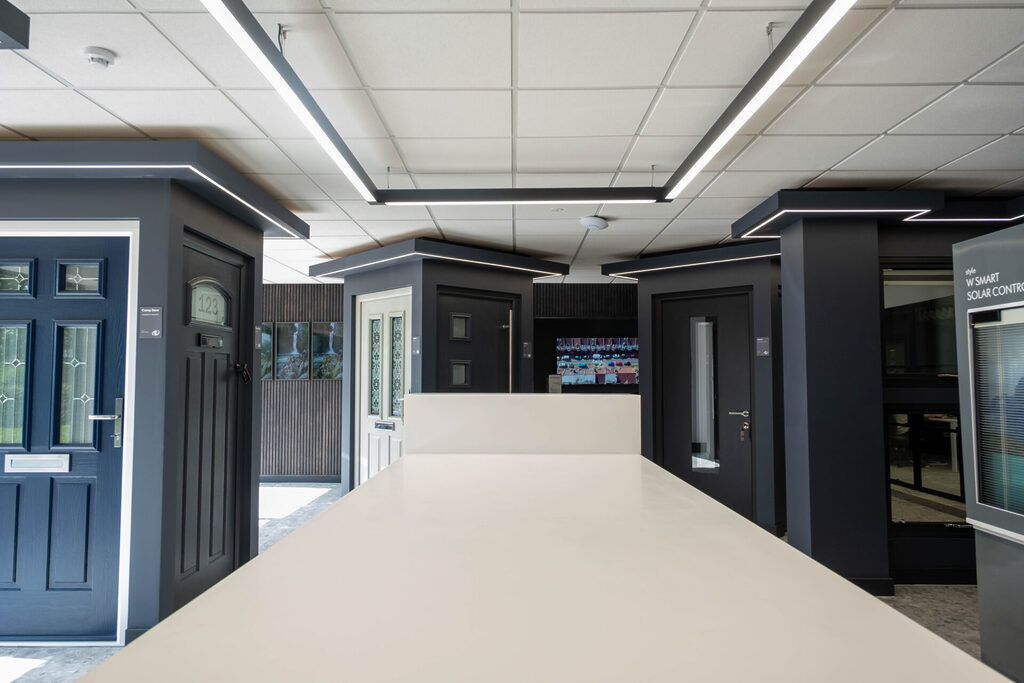
GFD Homes : Composite Doors Demystified: Understanding the Details That Matter
Choosing a new front door shouldn’t feel like decoding a technical manual — but with Composite Doors, it often does. Between U-values, multipoint locks, thresholds, and PAS ratings, it’s easy for a simple upgrade to turn into a full-blown engineering lesson.
This refreshed guide breaks the jargon into everyday language so you can choose your new door confidently, clearly, and without the overwhelm — all with expert insights from GFD Homes.
What Exactly Is a Composite Door?
A composite door is a modern evolution of the traditional front door. Instead of being made from one material (like wood or PVC), it’s built from several layers — each chosen for a specific reason.
A typical high-quality composite door includes:
- Solid Timber or Foam Core for strength and insulation.
- Glass Reinforced Plastic (GRP) or CoolSkin outer shell for durability and weather resistance.
- Steel or Aluminium Reinforcements for rigidity.
- Thermally efficient seals to keep heat in and cold out.
The result is a door that’s strong, secure, energy-efficient, and virtually maintenance-free.
Explore examples from top UK brands:
Key Terms You’ll Hear (and What They Mean)
1. Door Slab
The door slab is simply the main part of the door — the actual panel that opens and closes.
It’s often made with a solid timber or foam core, covered in a GRP (glass-reinforced plastic) or CoolSkin outer shell.
Why it matters: The quality of this slab determines how warm, quiet, and durable your door is.
2. Threshold
The threshold is the bottom part of your doorway — the strip you step over.
It creates a seal between the door and the floor and keeps out draughts and water.
Why it matters:
A poorly designed threshold can lead to water ingress or draughts.
Consider: Low thresholds (for accessibility) vs. rebated thresholds (better weatherproofing).
3. Weatherseal / Gasket
These are the flexible rubber or foam seals that run around the door frame.
They compress when the door shuts, creating an airtight seal.
Why it matters:
Good seals mean fewer draughts, less noise, and better thermal performance.
A cheap seal can wear out fast, making your door feel old before its time.
4. U-Value
This measures how well your door keeps heat inside.
The lower the U-value, the better the insulation.
Typical composite door U-value: Around 1.4 W/m²K.
That’s far better than a standard PVC door and roughly double the performance of old timber ones.
Why it matters: Lower U-values = warmer home, smaller heating bills.
5. PAS 24
A security standard that measures how resistant a door is to forced entry.
To pass PAS 24, the door must survive simulated break-in attempts using crowbars, knives, and hammers.
Why it matters:
It proves the door is tough. Look for PAS 24 or Secured by Design accreditation for peace of mind.
6. Cylinder Lock / Multipoint Locking
Modern composite doors use multipoint locks — when you lift the handle, multiple bolts engage up and down the frame.
The cylinder is the part you put your key into.
Why it matters:
3-star rated cylinders and multipoint systems make it extremely hard for burglars to force entry.
7. Door Frame
This is what the slab fits into. Usually made from uPVC or reinforced composite material.
The frame is as important as the slab — if it’s weak or misaligned, you’ll get draughts and poor fit.
Tip: Always make sure your new door comes with a matched frame rather than reusing your old one.
8. Sidelights / Toplights
These are the glazed panels beside or above your door.
They bring in natural light and can transform the entranceway design.
Consider:
- Decorative or frosted glass for privacy.
- Energy-efficient double glazing to match your door’s performance.
9. Colour Foils & Finishes
Composite doors come in a huge range of colours and textures, from woodgrain finishes like Irish Oak and Rosewood to contemporary greys and greens.
Why it matters:
High-quality foils resist fading and peeling.
You can even choose dual-colour options — one colour inside, another outside.
What You Should Think About Before Ordering
- Style:
- Traditional, Cottage, or Contemporary — your door should match your home’s personality.
- Security:
- Look for PAS 24, Ultion locks, and solid-core construction.
- Energy Efficiency:
- Aim for low U-values and tight weather seals.
- Accessibility:
- Consider a low threshold if you use mobility aids or have a step-free entry.
- Colour Longevity:
- Ask if your chosen finish is UV-tested or CoolSkin coated to resist warping and fading.
- Warranty & Support:
- Make sure the guarantee is registered in your name, not your contractor’s — that way, you can contact the supplier directly if anything ever goes wrong.
Why Buying Direct Gives You Control
When you buy your door directly through GFD Homes, you keep full ownership of your warranty and aftercare rights.
If a builder orders on your behalf, that protection sits in their name — which can make things tricky later.
Why it matters:
- You deal directly with the experts.
- You get manufacturer-backed guarantees.
- You can speak to the aftercare team yourself if you ever need a repair or adjustment.
Ordering direct keeps you in control — and ensures every penny you spend protects your home.
Common Myths About Composite Doors
“They all look the same.”
Not true. Materials, cores, and finishes vary massively. A £500 door and a £1,200 door are not equals — especially long-term.
“All composite doors are maintenance-free.”
They’re low-maintenance, yes — but not magic. A quick clean and occasional hinge check will keep them looking and performing perfectly.
“Timber doors are warmer.”
Not anymore. Modern composites outperform timber in thermal tests and don’t swell or warp.
“You can’t have custom colours.”
You absolutely can — and you can preview them live online at GFD Homes.
Design Your Door, See Your Price — Instantly
You don’t need to sit through a two-hour home visit to get a quote.
At GFD Homes, you can design your door online and see your price update in real time — accurate to the millimetre.
Try it now:
You’ll see exactly how different styles, colours, and glazing affect the price — no hidden extras, no “call for a quote.”
The Confidence to Choose Well
By now, you should feel comfortable walking into any conversation about doors — understanding what the jargon means and why it matters.
You know:
- What a threshold does.
- Why U-values affect your bills.
- How to spot a quality frame.
- And that buying direct protects your warranty.
And when you’re ready, our experts are on hand to help you design, measure, and order your door with confidence.
Because at GFD Homes, we don’t just sell doors — we help people make the right choice for their home.
🛒 Browse the full collection at www.gfdhomes.co.uk
📞 Or call 01642 309576 for expert guidance and a no-pressure quote.
In a rush? Why not contact us via Whatsapp
Composite Doors: Browse Our Articles
- Supply Only Composite Doors: Smarter with GFD Homes
- Composite Doors: What They Don’t Want You to Know
- The Best Composite Doors for Kerb Appeal
- Trade Composite Doors: looking for trade prices? Visit our trade site, The Trade Village
FAQ’s
1. Are composite doors really better than uPVC or timber?
Yes — Composite doors outperform typical uPVC and timber options in strength, insulation, and longevity. As explained in GFD Homes : Composite Doors Demystified: Understanding the Details That Matter, the layered construction provides superior security and weather resistance.
2. How long do composite doors last?
High-quality Composite doors usually last 20–30 years with minimal maintenance. According to GFD Homes : Composite Doors Demystified: Understanding the Details That Matter, durability comes from GRP skins, reinforced cores, and advanced weather seals.
3. Do composite doors fade in sunlight?
Not good ones. Premium Composite doors use UV-stable skins like GRP or CoolSkin to resist fading and warping. This is one of the key points highlighted in GFD Homes : Composite Doors Demystified: Understanding the Details That Matter.
4. Can I customise the colour and style of my composite door?
Absolutely — Composite doors are available in a wide range of colours, glazing options, and traditional or contemporary styles. GFD Homes : Composite Doors Demystified: Understanding the Details That Matter explains how custom designs can be previewed online using GFD Homes’ door designers.
5. Do composite doors improve energy efficiency?
Yes. Composite doors typically achieve low U-values, helping reduce heat loss and lower energy bills. As detailed in GFD Homes : Composite Doors Demystified: Understanding the Details That Matter, insulation performance is one of their biggest advantages.