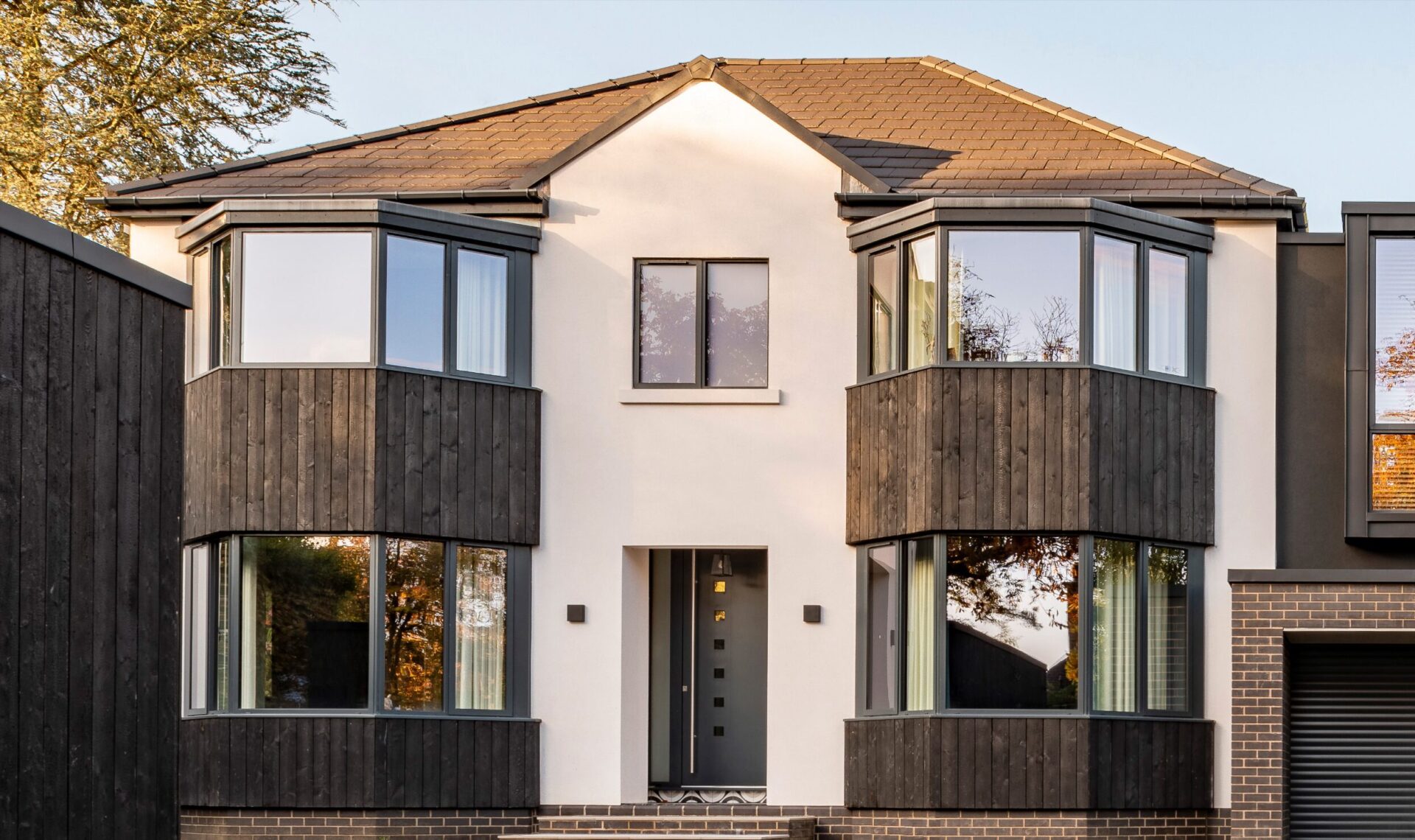
Learn aluminium windows and uPVC windows basics with GFD Homes. Clear terms, glazing tips, and what to know before buying.
What You’ll Learn:
- How GFD Homes explains the core differences between aluminium and uPVC windows
- How glazing choices impact energy efficiency and comfort with GFD Homes
- How U-values affect insulation and performance in aluminium and uPVC windows
- What to consider before choosing your new aluminium or uPVC windows with GFD Homes
(Estimated Reading Time: 5-6 Minutes)
Introduction: Windows Shouldn’t Be Complicated — But Somehow, They Are
At GFD Homes, we understand that shopping for aluminium windows or uPVC windows should be simple — you just want something stylish, efficient, and long-lasting. But as soon as you start researching, you’re hit with technical jargon about thermal breaks, multi-chambers, spacer bars, U-values, and acoustic glazing.
This guide cuts through the confusion. By the end, you’ll understand exactly what these terms mean, why they matter, and how to choose aluminium or uPVC windows that bring comfort, performance, and long-term value to your home — all with support from GFD Homes.
1. The Basics — Aluminium vs uPVC
Both materials are excellent choices, but they shine in different areas.
| Feature | Aluminium | uPVC |
|---|---|---|
| Strength | Very high – allows slimmer frames | Moderate – requires thicker frames |
| Lifespan | 40+ years | 25–30 years |
| Maintenance | Low – just wipe clean | Low – occasional cleaning |
| Colour Options | Hundreds (RAL finishes) | Limited, mostly whites & greys |
| Thermal Efficiency | Excellent with thermal break | Excellent via multi-chamber design |
| Recyclability | Fully recyclable | Partially recyclable |
| Cost | Higher initial price | More affordable |
In short:
If you value ultra-slim sightlines and longevity, aluminium wins.
If you’re on a tighter budget or upgrading a standard home, uPVC is still a great performer.
2. Key Terms You’ll Hear (and What They Actually Mean)
a. Casement
A casement window is the most common type — hinged at the side and opening outwards (like a door).
Why it matters:
Casements offer great ventilation and are easy to clean.
Consider:
Top-hung (hinged at top) designs for bathrooms or kitchens, where privacy glass is common.
b. Tilt & Turn
This design opens two ways — tilted inward for ventilation or fully turned for cleaning.
Why it matters:
Popular in apartments or higher floors where external access is difficult.
Consider:
Heavier mechanism, slightly more expensive than standard casements.
c. Fixed Window
A window that doesn’t open — often used alongside others to maximise light.
Why it matters:
Cheaper, stronger, and provides better insulation.
d. Sash Window
A sash window slides vertically (or sometimes horizontally) rather than swinging out.
Why it matters:
Classic, elegant style for traditional homes.
Modern aluminium and uPVC sash windows retain period charm without draughts.
e. Glazing Bead
The strip that holds the glass unit inside the frame.
Internally glazed windows (bead on the inside) prevent removal of glass from outside — a key security feature.
f. Thermal Break (Aluminium Only)
A thermal break is a section of insulating material inside the aluminium frame.
It stops heat from escaping through the metal.
Why it matters:
Without it, aluminium would be cold to the touch and less efficient.
With it, it can outperform many uPVC systems.
g. Multi-Chamber (uPVC Only)
uPVC frames are made up of multiple hollow chambers.
These trap air, which improves insulation and strength.
Why it matters:
The more chambers, the better the efficiency and rigidity.
h. U-Value
A measurement of thermal efficiency.
Lower = better.
Typical range:
- Aluminium: 1.2–1.6 W/m²K
- uPVC: 1.2–1.4 W/m²K
Why it matters:
A low U-value means less heat escapes, reducing energy bills.
i. Spacer Bar / Argon Fill
Between the panes of glass, you’ll find a spacer bar filled with argon gas.
It reduces heat transfer across the glazing unit.
Why it matters:
It’s one of those hidden details that make a huge difference to energy performance.
j. Acoustic Glazing
Glass that reduces outside noise by using thicker panes or laminated layers.
Why it matters:
Ideal for homes near roads or flight paths.
You can combine it with solar or self-cleaning coatings.
k. Gaskets & Weatherseals
Rubber seals that stop water, draughts, and noise getting in.
Why it matters:
Good seals mean no rattles or leaks.
Cheaper windows often fail here — they feel fine at first, but deteriorate faster.
l. Security Rating (PAS 24 / Secured by Design)
Standards that measure resistance to forced entry.
Why it matters:
PAS 24 certification proves your window meets modern security expectations.
3. Glazing Options Explained
| Glass Type | What It Does | Why You’d Choose It |
|---|---|---|
| Double Glazing | Two panes separated by argon gas | Standard for modern homes |
| Triple Glazing | Adds a third pane for insulation and soundproofing | For colder climates or near busy roads |
| Laminated Glass | Two panes with a plastic layer | Adds security and noise reduction |
| Self-Cleaning Glass | Breaks down dirt using sunlight | Reduces maintenance |
| Solar Control Glass | Reflects heat & UV rays | Prevents overheating in south-facing rooms |
4. Finishes & Colours
Aluminium: Powder-coated with marine-grade finishes for long life. Choose from over 200 RAL colours.
uPVC: Available in white, anthracite grey, black, and woodgrain foils like oak and rosewood.
Dual colour options: Inside and outside colours can differ — for example, white interior, grey exterior.
5. Ventilation & Building Regulations
Modern windows include trickle vents — small openings that provide airflow without opening the window fully.
Why it matters:
They help prevent condensation and comply with Building Regulations (Approved Document F).
6. Common Confusions Cleared Up
| Term | Common Misunderstanding | The Real Meaning |
|---|---|---|
| Thermal Break | “Just a buzzword” | Key insulation layer in aluminium frames |
| Multi-Chamber | “Marketing gimmick” | Air pockets that improve uPVC insulation |
| Spacer Bar | “Cosmetic strip” | Reduces heat transfer inside glass unit |
| U-Value | “Technical nonsense” | The real-world efficiency rating |
| Internally Glazed | “Design choice” | Security and ease of maintenance feature |
7. When to Choose Aluminium or uPVC
Choose Aluminium if:
- You want slim frames and modern aesthetics.
- You’re matching bifold or sliding doors.
- Your project demands large glass spans or colour flexibility.
Choose uPVC if:
- You’re prioritising affordability and insulation.
- You want a traditional look.
- You’re upgrading a standard residential property.
8. Buying Direct — Keep the Warranty in Your Name
If you order through a builder, the warranty and consumer rights belong to them.
If you order directly through GFD Homes, the warranty and purchase protection sit with you.
That means if you ever need support or repairs, you deal directly with our team — not through middlemen.
Your home, your product, your guarantee.
9. Instant, Accurate Pricing Online
Every aluminium and uPVC window sold by GFD Homes is priced live online — down to the millimetre.
No pushy sales calls, no vague quotes.
You can customise size, colour, glass, and configuration — and see your price update instantly.
10. Summary: Clear Terms, Clear Choices
You now know:
- What thermal breaks and multi-chambers do.
- Why U-values actually matter.
- How security ratings protect your home.
- And how to choose confidently between aluminium and uPVC.
Windows shouldn’t be confusing — and with GFD Homes, they aren’t.
We give you transparent advice, fair pricing, and the peace of mind that you’re choosing quality products we’d proudly fit in our own homes.
🛒 Browse the full collection at www.gfdhomes.co.uk
📞 Or call 01642 309576 for expert guidance and a no-pressure quote.
In a rush? Why not contact us via Whatsapp
Browse Our Articles
- Aluminium Windows vs uPVC Windows: Which Is Best in 2025?
- Windows: The Clear Choice for a Brighter, Warmer Home
- 15 Durable Window Styles That Balance Affordability and Quality
- Looking for Trade Windows? Explore The Trade Village
FAQ’s
1. Are aluminium or uPVC windows more energy-efficient?
Both can achieve excellent efficiency. GFD Homes supplies aluminium windows with thermal breaks and uPVC windows with multi-chamber designs to achieve low U-values.
2. Do aluminium windows really last longer?
Yes. Aluminium windows from GFD Homes typically last 40+ years, while uPVC windows offer around 25–30 years of reliable performance.
3. Which material is best for slim frames?
Aluminium. GFD Homes offers aluminium windows with slim sightlines for a modern aesthetic and maximum glass.
4. Are uPVC windows still a good option for modern homes?
Absolutely. GFD Homes provides high-quality uPVC windows with strong insulation, low maintenance, and modern colour options.
5. Can I mix aluminium doors with uPVC windows?
Yes. GFD Homes regularly helps customers match aluminium bifolds or sliders with uPVC windows for budget-friendly consistency.