
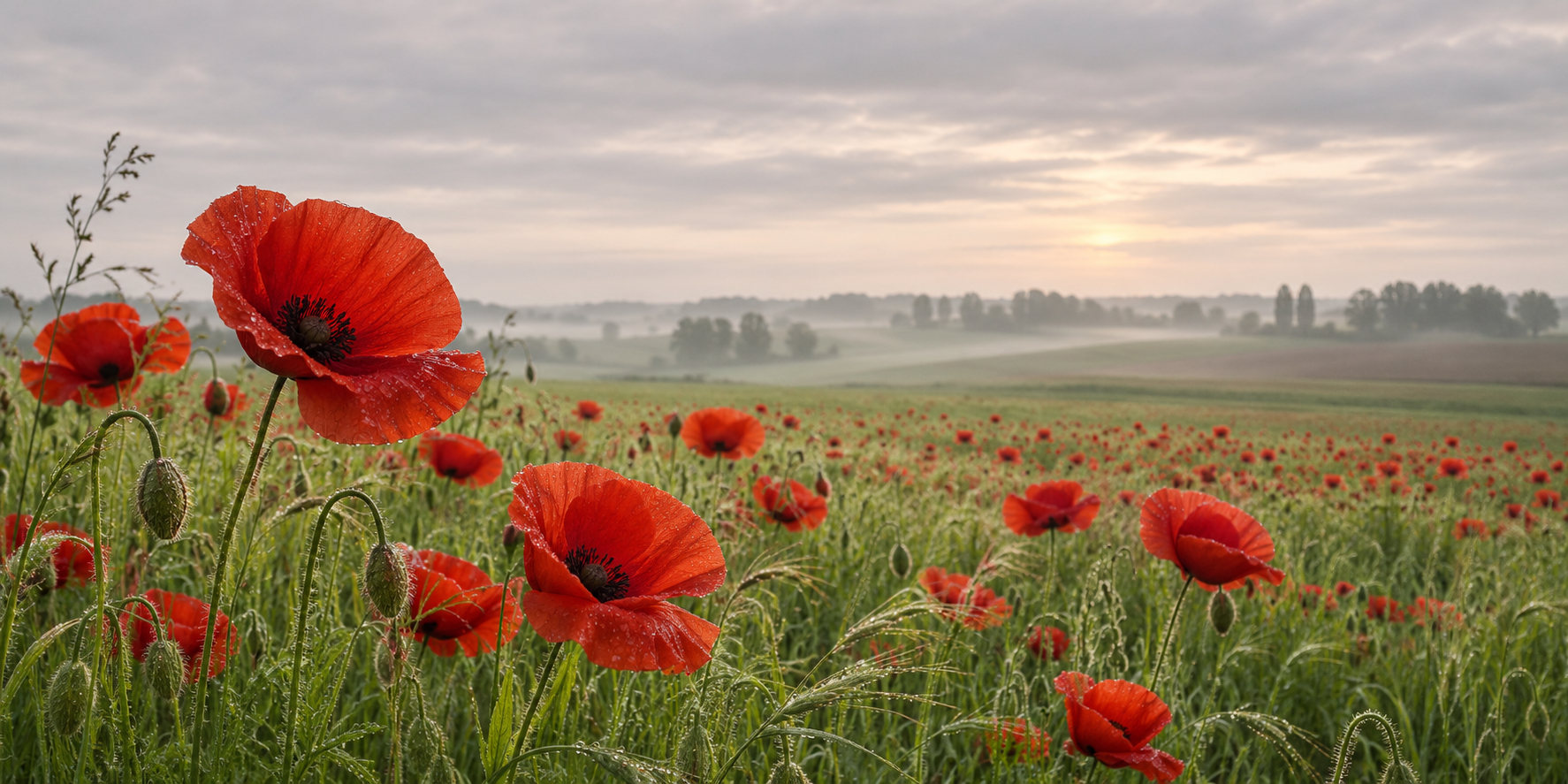
There are moments in the year when it is important to pause. To step away from the demands of everyday life, reflect on the past and remember the people whose courage helped shape the world we live in today.
Remembrance Day is one of those moments.
At GFD Homes, we join people across the country in remembering those who served, those who lost their lives and those whose lives were changed forever by conflict. We honour their courage and recognise the sacrifices made by their families and communities.
Above all, we remember that many of the freedoms we enjoy today came at an extraordinary human cost.
Remembering the people behind the history
When we think about war, we often picture events recorded in history books: battles, dates, speeches and photographs. Yet behind every account are individual people.
They were sons and daughters, husbands and wives, parents, friends, neighbours and colleagues. People with ambitions, responsibilities and plans for the future. People who loved their families, took pride in their communities and hoped to return home.
Some volunteered to serve. Others were called upon. Many faced circumstances they could never have imagined, carrying responsibilities far beyond their years.
Remembering them means looking beyond the scale of conflict to recognise the individual lives within it. Each name on a memorial represents someone who mattered. Each loss was felt around a family table, along a familiar street and within a community that would never be quite the same again.
Their stories deserve our attention, our gratitude and our care.
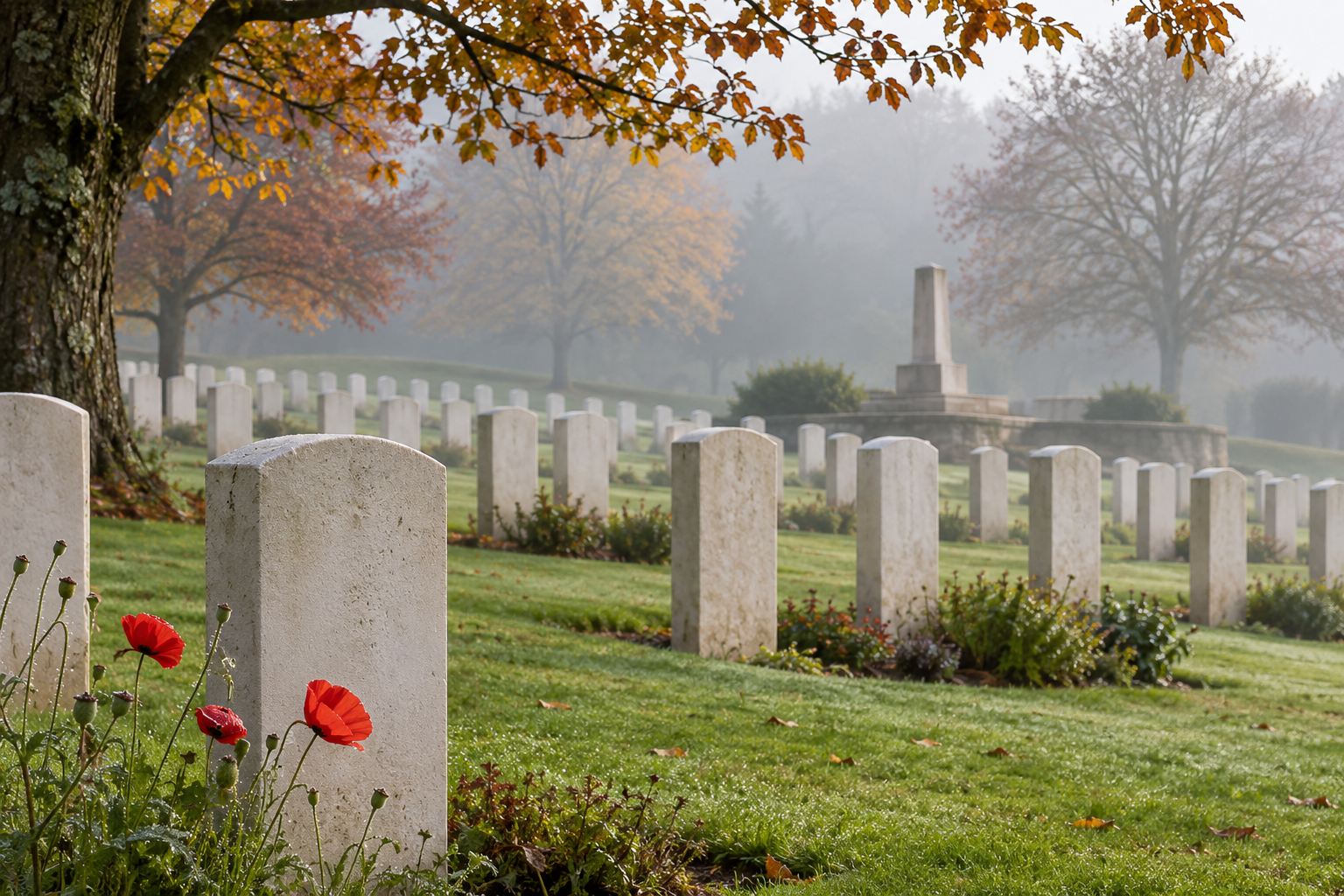
The freedoms woven into everyday life
Freedom can be easy to overlook when it forms the background of our daily routines.
We make plans for the weekend. We speak openly about our beliefs. We spend time with the people we love, pursue opportunities and imagine what the future might hold.
These ordinary experiences are deeply valuable.
The ability to live with dignity, to participate in our communities and to build a life with those closest to us should never be taken lightly. Across generations, people have risked their lives in defence of others and in the hope of a more peaceful future.
Remembrance invites us to consider that connection between their sacrifices and our everyday lives.
It asks us to approach the freedoms we share with gratitude, and to recognise our own responsibility to protect the dignity and wellbeing of those around us.
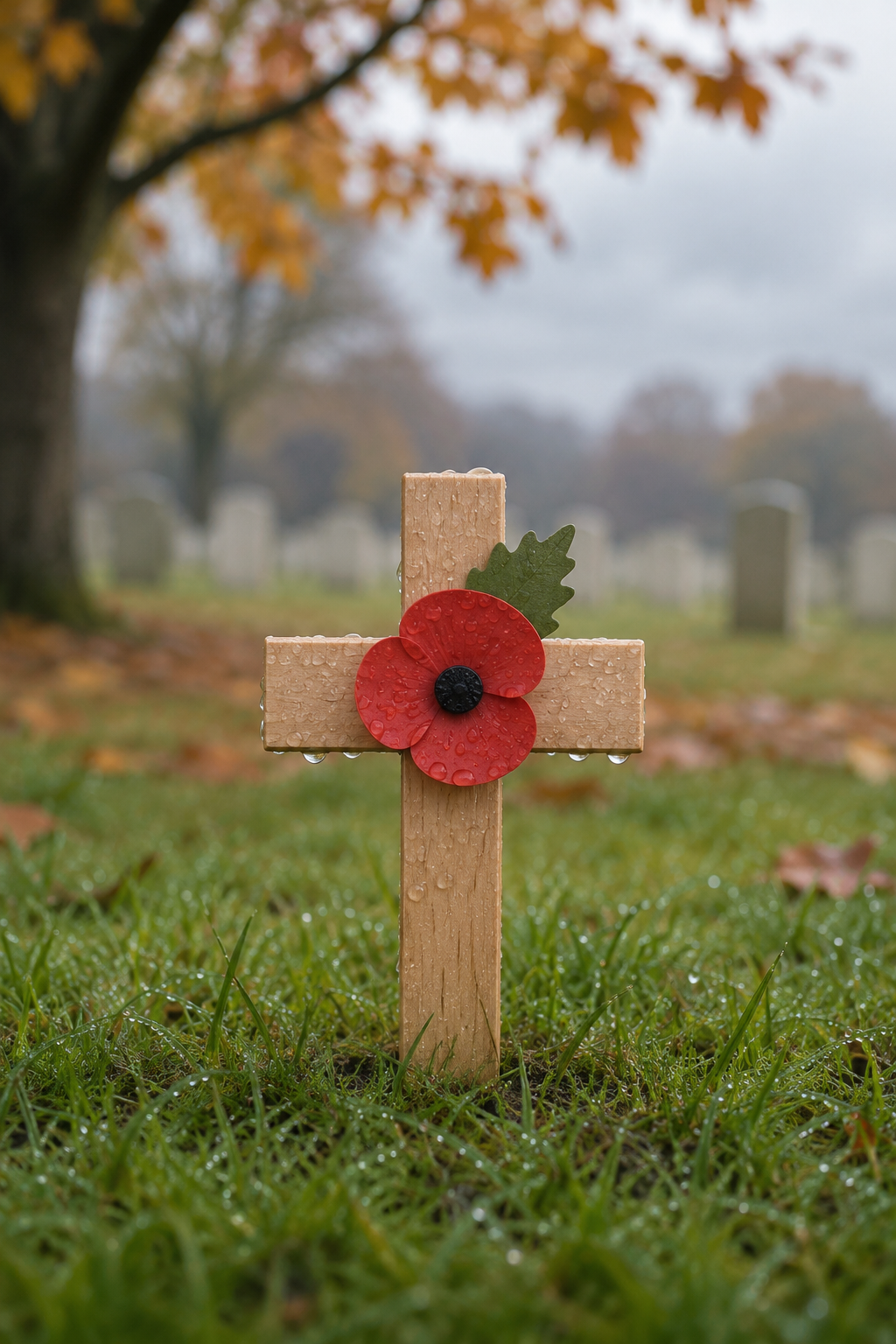
What home means at a time of remembrance
Working in the homes industry gives us a particular appreciation of what home represents.
It is where we hope to feel safe. Where familiar voices greet us, where children grow and where families gather. It holds our routines, our memories and the small comforts that help us feel we belong.
For those serving far from loved ones, thoughts of home can carry enormous meaning: a familiar face, a favourite meal, a quiet evening or the simple hope of walking through the front door again.
For families waiting behind, home can become a place of anxious uncertainty. Somewhere a letter is read repeatedly, news is awaited and an empty chair holds a significance that words struggle to express.
On Remembrance Day, we think about those who returned home, those who returned carrying lasting injuries and memories, and those who never returned.
We also remember the families who had to find a way forward after their lives were changed forever.
Honouring service in all its forms
Our remembrance embraces the many ways people have served and supported others during conflict.
We remember members of the Armed Forces, alongside medical teams, support personnel and those who worked to keep essential services running. We recognise the contributions of people from across the Commonwealth and beyond, whose service forms part of our shared history.
We remember civilians whose lives were lost or disrupted, and communities left to rebuild after devastating destruction.
We also recognise that the effects of service can continue long after a conflict has ended. Physical injuries, bereavement and psychological distress can shape lives for many years.
For some families, remembrance is closely connected to someone they knew and loved. For others, it is an opportunity to understand experiences beyond their own.
Making space for those different experiences helps us remember with greater compassion.
A moment of silence, a lasting responsibility
The two-minute silence offers a simple, powerful opportunity to stop.
For a short time, the noise of everyday life falls away. We can reflect on those who died, think of those who continue to live with the consequences of conflict and consider what peace means to us.
There is no single thought we must have during that silence. Some people remember a relative. Some think about a friend or colleague. Others reflect on lives they never knew, but whose sacrifices they wish to acknowledge.
What matters is that we give the moment our attention.
That spirit can continue beyond the silence: through listening to someone’s experience, learning about local history, supporting the Armed Forces community or helping younger generations understand why remembrance matters.
Small, thoughtful actions can give lasting meaning to our gratitude.
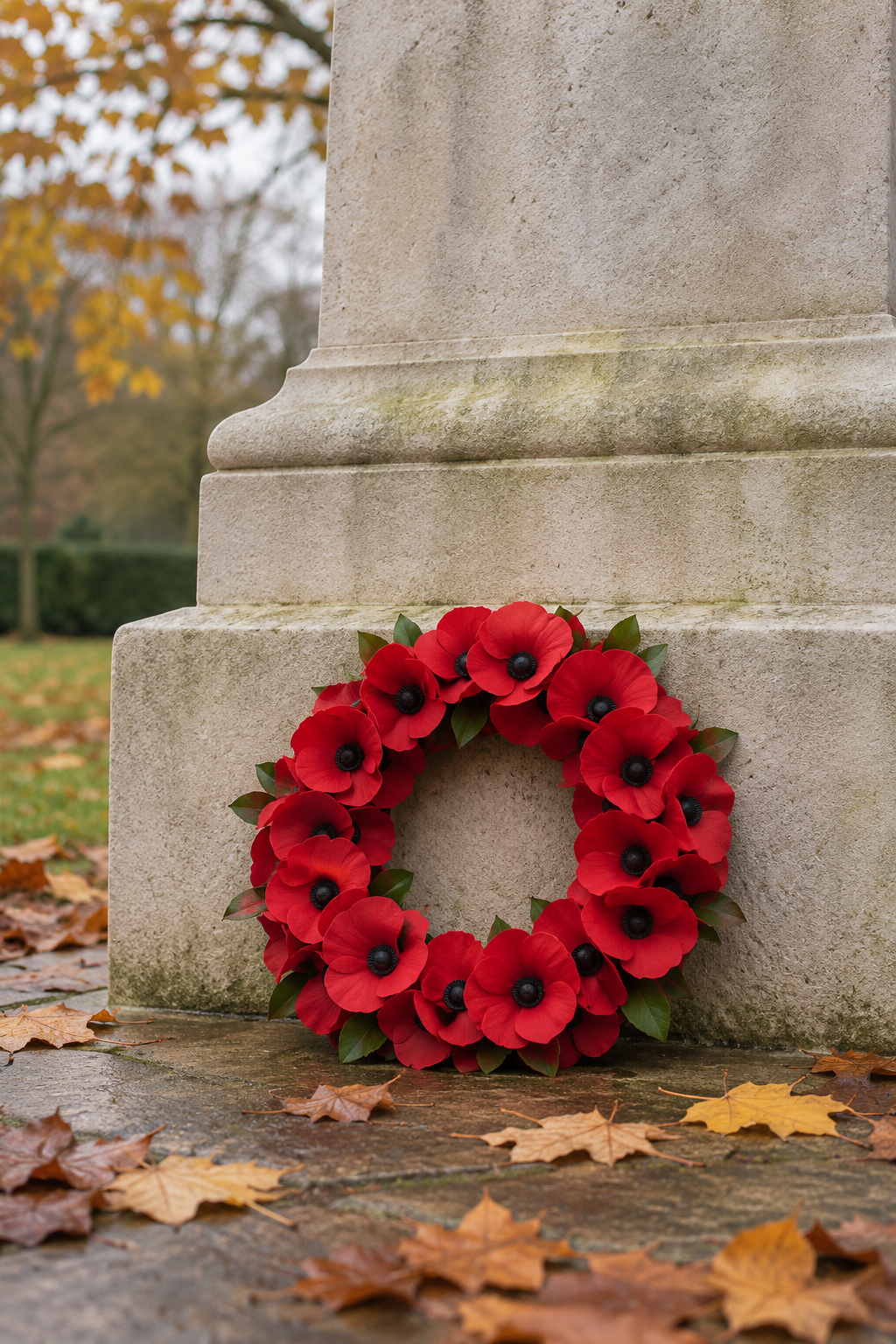
Carrying remembrance forward
As time passes, our responsibility to preserve the stories of earlier generations becomes increasingly important.
Family memories, letters, photographs and local memorials help us understand the people behind the history. Sharing those stories gives younger generations a connection to lives that might otherwise feel distant.
These conversations can be difficult. They involve loss, fear and experiences that are hard to comprehend. They also offer opportunities to talk about courage, friendship, service and the value of peace.
We can honour the past by approaching one another with patience, challenging prejudice and helping to build communities where people feel safe and respected.
Remembrance gives us a reason to reflect on the kind of future we want to create, and the part each of us can play in it.
At GFD Homes, we offer our heartfelt thanks to those who have served and continue to serve, and to the families who stand beside them.
We remember those who gave their lives. We honour those who came home changed. And we recognise the enduring importance of the peace, security and freedoms we share.
We will remember them.